Table of Contents
- 🎯Too Long; Didn’t Read
- Transportation Scams
- The Taxi Meter "Malfunction"
- Airport Transport Hustlers
- The Rental Car Damage Setup
- Street and Pedestrian Scams
- Friendship Bracelet Trap
- Photo Scam
- Found Ring Con
- Petition Signature Scam
- Accommodation and Booking Scams
- Fake Booking Sites
- Bait and Switch Hotel Rooms
- Food and Beverage Scams
- Menu Price Switching
- Mandatory Service Charges
- Nightclub Drink Overcharges
- Attraction and Activity Scams
- Fake Ticket Sellers
- Free Tour Pressure
- Closed Attraction Redirect
- Shopping and Vendor Scams
- Carpet Shop Schemes
- Currency Exchange Tricks
- Designer Knockoff Sellers
- Protection Strategies
- Research Before You Go
- Trust Your Instincts
- Use Technology
- Secure Your Stuff
- Payment Protection
- What to Do If You're Scammed
- ❓FAQ❓
- How can I avoid ATM and card skimming scams while traveling?
- Are public Wi-Fi networks safe for banking or booking travel?
- What should I do if “police” or “officials” suddenly ask for my passport or wallet on the street?
Tourist scams: How to Avoid Common Traps?

🎯Too Long; Didn’t Read
- Street scams hunt travelers relentlessly. Rigged taxis circle. Fake “helpers” swarm at airports. Rental agencies invent damage charges. On the pavement, cons unfold: forced bracelets, manipulative petitions, a “lost” ring suddenly found at your feet. Aggressive characters shove costumes at you for a photo—then demand shocking payment.
- Digital deception runs parallel. Fake booking sites mirror legitimate ones. Rental listings are copied and reposted by scammers. Hotels bait-and-switch, locking you into an inferior room or demanding a higher price at check-in.
- In restaurants and bars, the scam shifts. Menu prices change between ordering and paying. Hidden “service charges” appear. Drink prices skyrocket, particularly where no menu exists. Always check the tab.
- Near major attractions, fraudsters innovate. They sell fake tickets. Offer “free” tours that end with intense tip pressure. Some even claim an attraction is closed, aiming to redirect you to a friend’s shop or a costly private tour.
- Self-defense is straightforward. Research local scams specific to your destination. Use official transit or vetted ride apps. Book through recognized platforms. Snap photos of rental cars and displayed menus. Shield phones and wallets from grabbers. Pay with credit cards for dispute leverage.
- Document every interaction—details, receipts, names. This record is crucial for reporting fraud, disputing charges, and warning others in public reviews.
Every year, scammers siphon millions from travelers. The grift varies—a few coins lost in a street game, or a complex operation wiping out a vacation fund entirely. Recognizing the mechanics isn’t just advice; it’s armor.
Transportation Scams
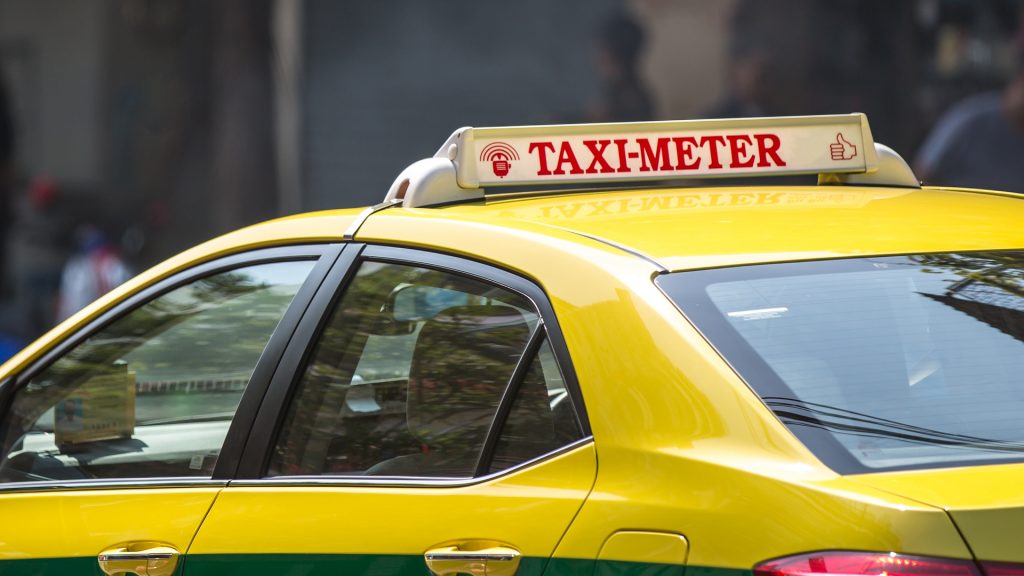
The Taxi Meter “Malfunction”
You slide into a cab at the airport. The driver claims the meter is broken. He’ll offer a “fair” flat rate instead—usually three to five times what you should pay.
This happens everywhere. Paris, Bangkok, Mexico City, Rome. The solution is straightforward: insist on the meter or exit the vehicle. Most cities require functioning meters by law. Snap a photo of the taxi license number before entering. Drivers become cooperative when they know you’re documenting things.
Better yet, use ride-hailing apps where available. The price is set before you go anywhere.
Airport Transport Hustlers
Someone approaches you at baggage claim wearing an official-looking vest. They offer to help with your luggage and guide you to ground transportation. You follow them outside where their “friend” runs an unlicensed taxi.
The fare? Outrageously inflated. Sometimes they take you on an extended tour of the city before reaching your hotel, running up charges.
Never accept unsolicited help from anyone inside airports claiming to represent transport services. Use official taxi stands. Look for designated ride-share pickup zones. Pre-book transfers through your hotel when possible.
The Rental Car Damage Setup
You return a rental car. The agent circles the vehicle, then points out a scratch or dent you “caused.” They threaten to charge your card hundreds or thousands for repairs.
The scratch existed before you rented the vehicle. The company simply didn’t document it initially, or they’re running a deliberate scam.
Take photos and video of the entire vehicle before driving off the lot. Capture every angle, focusing on existing damage. Time-stamped photos on your phone provide evidence. Examine the car with the agent present during pickup. Make them note every mark on the contract.
Street and Pedestrian Scams
Friendship Bracelet Trap
This unfolds on stairs leading to tourist sites, particularly throughout Europe and North Africa. Someone ties a bracelet or string around your wrist while being chatty. You might try to refuse, but they’re quick. Once it’s on, they demand payment. Their friends may surround you if you resist.
Keep your hands in your pockets or crossed when walking through areas known for this tactic. Pull away firmly if anyone reaches for your wrist. A loud “no” works. They target people who look passive or uncertain.
Photo Scam
Costumed characters in Times Square, Las Vegas, Hollywood Boulevard, and other tourist zones pose for photos. You snap a picture with them. Then they aggressively demand twenty, thirty, even fifty dollars for the privilege.
Some cities have cracked down on this, but it persists. Don’t engage with costumed characters unless you’ve agreed on payment upfront—or better yet, skip it entirely. They bank on tourist discomfort with confrontation.
Found Ring Con
You’re walking down the street. Someone ahead of you “finds” a gold ring on the ground. They pick it up, examine it, and ask if you dropped it. You say no. They claim it must be valuable and offer to sell it to you at a discount since they need cash urgently.
The ring is worthless metal. This scam operates across Europe, particularly in France and Spain. Ignore anyone who approaches you with found items of any kind.
Petition Signature Scam
A person with a clipboard asks you to sign a petition for a charity or cause. While you’re reading and signing, accomplices pickpocket you. Alternatively, once you sign, they demand a donation.
Legitimate charities don’t operate this way in tourist areas. Decline politely and keep moving. If someone persists, they’re definitely running a con.
Accommodation and Booking Scams

Fake Booking Sites
You search online for hotels. A site offers rates significantly lower than official channels. You book and pay. When you arrive, the hotel has no record of your reservation. The site was fraudulent, designed to harvest payment information and disappear.
This extends to vacation rentals. Scammers copy listings from legitimate sites, post them elsewhere with lower prices, collect payment, then vanish.
Book directly through verified sites. Check URLs carefully—scam sites often use names similar to real booking platforms but with slight variations. Use credit cards rather than wire transfers or peer-to-peer payment apps, which offer no recourse.
Bait and Switch Hotel Rooms
You book a specific room online—view, amenities, all confirmed. You arrive. Suddenly, that room isn’t available. They present the options: a worse room for the original price, or a better one for extra money.
This isn’t always an accident. Some places intentionally overbook their desirable rooms. They bet on tired travelers accepting whatever’s left rather than fighting or leaving.
Document everything. Have your booking confirmation ready, screenshot. Show it at the front desk. State clearly you’ll detail the experience on review platforms. Hold your ground. If the room genuinely doesn’t exist, require they find and pay for equivalent lodging nearby. Immediately.
Food and Beverage Scams

Menu Price Switching
You order from a menu with listed prices. The bill arrives significantly higher. The waiter claims prices changed, points to a different menu, or says the English menu had incorrect numbers.
This targets tourists in restaurant-heavy zones worldwide. Before ordering, take a photo of the menu with prices. Point to items and confirm costs verbally. Check the bill carefully before paying. Dispute charges that don’t match what you ordered.
Mandatory Service Charges
The bill includes a service charge labeled as tips. You pay without noticing, then add a tip on top as you normally would. Or the restaurant owner keeps the “service charge” instead of distributing it to servers.
Read bills completely. Ask whether service charges go to staff. In some countries, these charges are standard and legitimate. In others, they’re an extra fee restaurants add hoping tourists don’t question it.
Nightclub Drink Overcharges
You’re out for drinks. Someone friendly buys you a round, or staff recommends the house specialty. The bill arrives at hundreds of dollars. They charge extreme amounts for certain drinks, which weren’t priced on any menu you saw.
Ask for prices before ordering anything. Get menus with costs listed. If a place refuses to show prices, leave. Pay round by round if the vibe seems off. Groups of tourists getting massive surprise bills at clubs is a documented problem in several cities.
Attraction and Activity Scams
Fake Ticket Sellers
Someone outside a museum, stadium, or concert venue sells tickets at a discount. The tickets are counterfeit. You discover this when security denies you entry.
Purchase tickets only from official sources. This includes box offices, official websites, and authorized resellers. Never buy from individuals on the street, regardless of how convincing they seem.
Free Tour Pressure
You join a “free” walking tour. At the end, the guide makes it clear they work only for tips and applies heavy pressure for payment. They might follow people who don’t tip or make pointed comments.
These tours aren’t actually free—they operate on mandatory tipping. Guides sometimes earn nothing without tips. While tipping is reasonable for good service, the pressure tactics cross a line. Research tour operators beforehand. Pay-upfront tours with salaried guides avoid this dynamic.
Closed Attraction Redirect
You approach a landmark or museum. Someone in official-looking clothing stops you, claiming it’s closed for a holiday, renovation, or special event. But they know a wonderful alternative attraction—conveniently, their friend runs a tour company or shop nearby.
The attraction is open. They’re steering tourists toward a business that pays them commission. Walk past them and verify closure yourself. Check official websites before visiting attractions if you want to confirm hours.
Shopping and Vendor Scams

Carpet Shop Schemes
This operates particularly in Turkey, Morocco, and parts of Asia. Someone strikes up a conversation, mentions their family sells carpets or textiles, and invites you to “just look” with no obligation. You’re served tea. They roll out merchandise. The pressure to buy intensifies. The prices are absurdly inflated for tourist-grade goods.
Decline invitations from strangers to visit shops. If you actually want carpets, research reputable dealers beforehand. Don’t let anyone guilt you into purchasing anything.
Currency Exchange Tricks
Street money changers offer better rates than banks or official exchanges. They use sleight of hand to shortchange you, swap bills during the count, or give you obsolete currency that’s no longer legal tender.
Use ATMs or legitimate exchange services. Yes, the rates may be slightly worse, but you won’t get scammed. Avoid changing money with individuals on the street.
Designer Knockoff Sellers
Vendors sell “genuine” luxury goods at suspiciously low prices. They claim to have connections with the brands or that items fell off trucks. Everything is counterfeit. In some countries, purchasing counterfeit goods carries legal penalties for buyers, not just sellers.
If the price seems unbelievable, the item is fake. Buy from authorized retailers only. Remember that importing counterfeits can result in items being seized at customs.
Protection Strategies
Research Before You Go
Understanding common scams for your specific destination matters. Scams vary by location. What works in Barcelona won’t necessarily happen in Bangkok. Read recent travel forums and blogs. Check your government’s travel advisory websites, which often list common cons.
Trust Your Instincts
When something feels wrong, it probably is. If someone approaches you with unsolicited offers, help, or friendliness in tourist zones, be skeptical. Scammers rely on tourists doubting their own judgment out of politeness or fear of seeming rude.
You can decline, walk away, or ignore people. Your safety and money matter more than possibly offending a stranger.
Use Technology
Apps exist for almost everything now. Currency converters help you spot overcharges. Translation apps let you verify prices and terms. Maps prevent taxi drivers from taking circuitous routes. Payment apps provide transaction records.
Secure Your Stuff
Many scams involve distraction techniques paired with pickpocketing. Keep valuables in front pockets or money belts. Don’t put phones or wallets in back pockets. Split up your cards and cash. Leave unnecessary cards in your hotel safe.
Use bags that close securely. Backpacks are easy targets—consider crossbody bags you can keep in front of you. Stay alert in crowded areas where pickpockets operate.
Payment Protection
Credit cards offer better fraud protection than debit cards or cash. If you’re scammed, you can dispute charges. Notify your bank immediately if something seems wrong.
Avoid wire transfers, cryptocurrency, or peer-to-peer payment apps when dealing with unknown vendors or booking services. These methods offer zero recourse if you’re conned.
What to Do If You’re Scammed
- Report incidents to the local police, even if recovery seems unlikely. This documentation becomes essential—it’s the backbone of any insurance claim or credit card dispute. If losses are substantial or critical documents are gone, contact your embassy immediately.
- Initiate disputes with your credit card company without delay. Time limits are strict. Submit everything: receipts, photos, screenshots. Whatever supports your case.
- Leave reviews to warn others. You might not get your money back, but you can blunt the scam’s reach. Keep reviews factual; just state what occurred.
❓FAQ❓
How can I avoid ATM and card skimming scams while traveling?
Stick to bank ATMs—inside a branch is ideal. Always shield the keypad with your hand when entering your PIN. Before inserting your card, tug the reader. If it moves or feels loose, walk away.
Are public Wi-Fi networks safe for banking or booking travel?
Rarely safe for sensitive actions. Avoid banking or entering card details entirely on these networks. Switch to mobile data instead, or use a VPN.
What should I do if “police” or “officials” suddenly ask for my passport or wallet on the street?
Politely ask for official identification first. Do not leave the public area. Refuse to hand over anything immediately; insist on moving to an actual police station or your hotel desk.
About the Author