Table of Contents
- 🎯Too Long; Didn’t Read
- Roman Trier: Must-See Ancient Landmarks
- Porta Nigra: The Iconic Roman Gate
- Imperial Baths: Walk Through a Roman Mega-Complex
- Aula Palatina: Constantine’s Throne Hall
- Historic Old Town Highlights
- Trier Cathedral: Germany’s Oldest Cathedral
- Hauptmarkt & Medieval Streets: The Heart of the City
- Karl Marx House: A Quick Cultural Stop
- Museums and Culture Breaks
- Rheinisches Landesmuseum: Trier’s Roman Treasures
- City Museum Simeonstift: Art and Local History
- Theatre & Events: What to Catch in the Evening
- River Views, Nature, and Scenic Day Trips
- Moselle River Promenade: Easy Walks and Photo Spots
- Vineyards & Wine Villages: A Moselle Tasting Route
- Luxembourg or Saarburg: Simple Half-Day Escapes
- Food, Wine, and Local Experiences
- Try Regional Dishes: From Flammkuchen to Saumagen
- Mosel Riesling: Best Ways to Do a Tasting
- Seasonal Markets: Christmas, Wine Festivals, and More
- ❓FAQ❓
- How many days do you need in Trier?
- Is Trier a good destination without a car?
- What’s the best time of year to visit Trier?
- Is Trier expensive compared to other German cities?
- Do people in Trier speak English?
Things to Do in Trier: Roman Sights, Old Town & Day Trips

🎯Too Long; Didn’t Read
Key Roman sites are the Porta Nigra, Imperial Baths, and Constantine’s throne hall. Walk the old town: it’s compact, centered on the cathedral and Hauptmarkt. You can cover it easily. Museums zero in on Roman history, though a couple decent ones cover later art and periods.
Evenings settle into a quiet hum – think theater, small events, night walks along quiet streets. For a breather, the Moselle River opens things up. It’s space and calm between sightseeing.
Nearby, wine villages, Luxembourg City, or Saarburg make straightforward day trips. Food sticks to regional, filling, and casual. Riesling runs the show here. Hit the right season, and markets or festivals layer in atmosphere.
Roman Trier: Must-See Ancient Landmarks
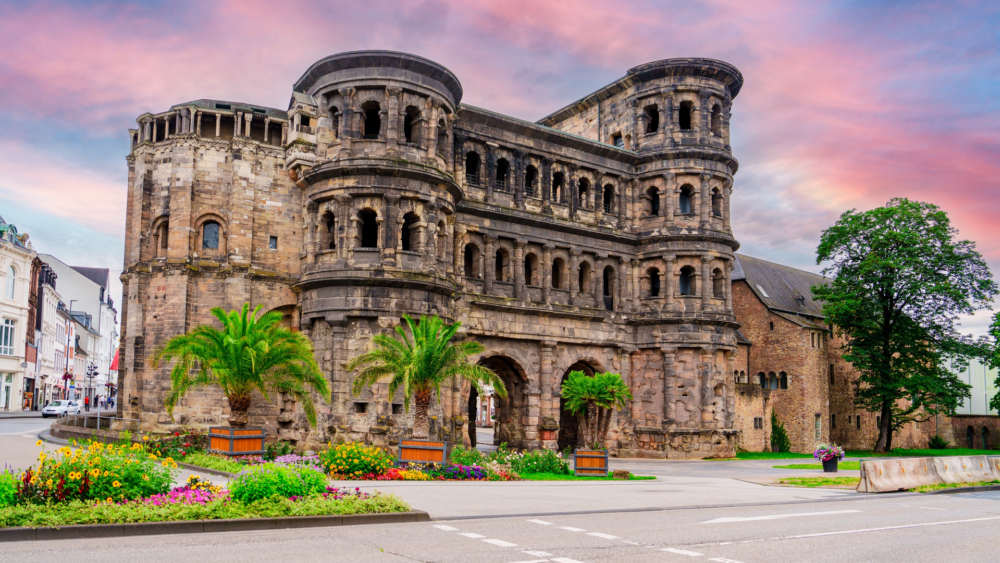
Porta Nigra: The Iconic Roman Gate
Porta Nigra anchors Trier’s old town to its Roman history. Constructed around 170 AD, it functioned as a defensive gate for the northern road. The immense sandstone blocks, stacked without mortar, still draw puzzled stares. Access to the surrounding grounds costs nothing. The value, however, lies within.
Inside, narrow staircases climb to higher floors. The city unfolds from above – rooftops, streets, a panorama. Informational panels detail the structure’s later life: a Byzantine church, then a painstaking restoration to its original Roman state. The place swarms with crowds, a constant thrum of voices and footsteps. The experience justifies both.
Imperial Baths: Walk Through a Roman Mega-Complex
The Imperial Baths demonstrate the scale of Roman Trier’s vision. Builders started work in the fourth century. They never completed it. What survives conveys sheer scale. You move through subterranean corridors, hypocausts, and open courtyards – spaces once filled with the daily traffic of soldiers and citizens.
The raw, incomplete layout clarifies function over form. Explanatory signage is direct, unobtrusive. Take your time here. Let the site reveal itself gradually. Its lack of polish is precisely what makes it compelling.
Aula Palatina: Constantine’s Throne Hall
Stand near the palace gardens and the Aula Palatina appears almost plain. Then you step inside. The scale hits you, fast. Constructed in the early fourth century, this was Emperor Constantine’s throne hall. Its interior is a single, prodigious space – no columns, no divisions. Sound travels; a cough carries. That bareness defines it. Walls, windows, little else.
Now a Protestant church, the quiet makes sense. The restraint works. This quick stop clarifies Trier’s status once: a true imperial capital.
Historic Old Town Highlights
Trier Cathedral: Germany’s Oldest Cathedral
Trier Cathedral isn’t so much built as accumulated. Its walls hold fourth-century Roman brickwork, literal foundations that secure its status as Germany’s oldest cathedral. Later centuries piled on: Gothic arches, Baroque flourishes. The resulting layout feels organic, uneven – a timeline you walk through. No flash, just substance. Even crowded, the space keeps a quiet dignity.
Admission costs nothing, but consider leaving a donation. For context, step next door to the Church of Our Lady. Seeing them together shows the stylistic shift across centuries, a handful of steps spanning an immense gulf of time.
Hauptmarkt & Medieval Streets: The Heart of the City
The Hauptmarkt serves as Trier’s central hub. It’s a natural spot to stop. Cafés spill onto the square; market stalls pop up weekly. The surrounding lanes trace medieval paths – cobbles dip and rise underfoot. Nothing here feels manufactured. Shops cater to locals and visitors alike, a practical blend. Glance upward: aged façades and weathered signs mark the years.
This nexus links the city’s major sights, a logical base for exploration. Settle at a table. Order a coffee, maybe a glass of Riesling. Observe the daily flow – residents running errands, tourists consulting maps. It’s proper people-watching, and it places you squarely in the city’s rhythm.
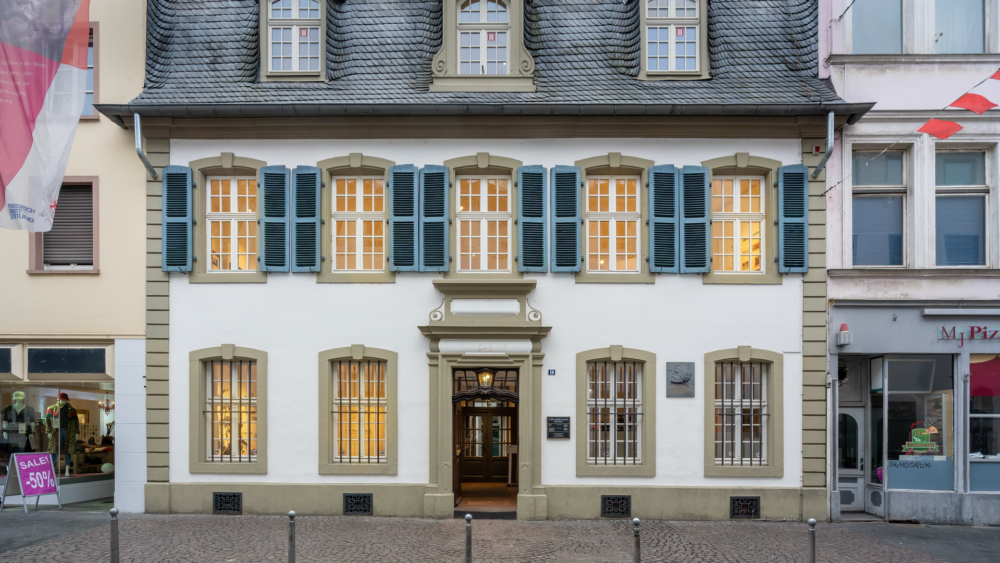
Karl Marx House: A Quick Cultural Stop
Karl Marx was born here in 1818. The house itself is unfussy. Visitors typically stay briefly, which suits the scale. Inside, the focus rests on his life, publications, and worldwide impact. You won’t wade through dense theory. Instead, exhibits use text, photographs, and brief video clips. Everything is digestible, no political science degree required.
Plan for roughly an hour. It functions perfectly as a pause between longer explorations. No prior knowledge is needed. You’ll still leave with a clearer sense of the man and the movement.
Museums and Culture Breaks
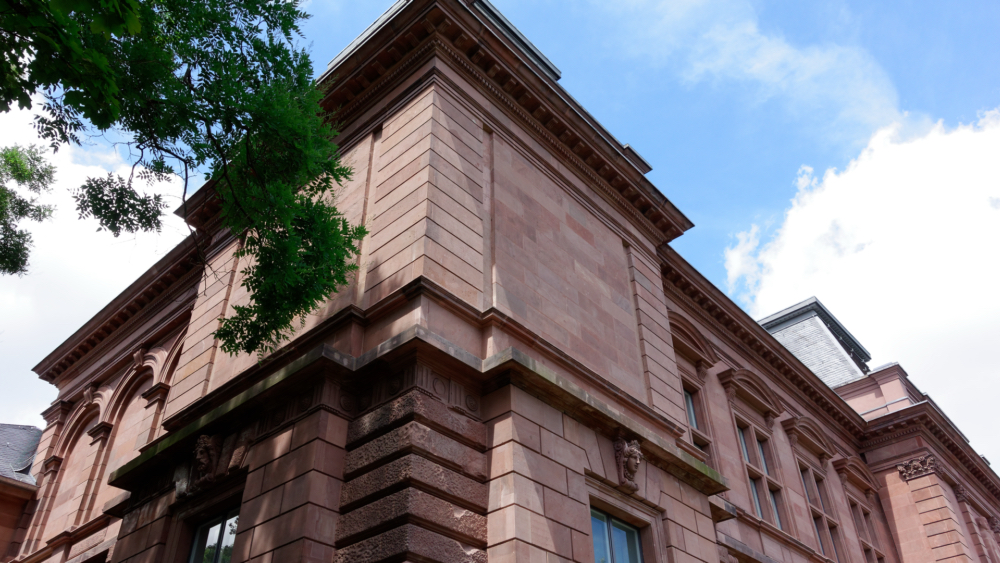
Rheinisches Landesmuseum: Trier’s Roman Treasures
The Rheinische Landesmuseum houses the region’s most significant Roman artifacts. Its collection gathers mosaics, statues, coins, and domestic items recovered from Trier and surrounding areas. A chronological path guides you through the rooms – won’t leave you adrift. Text remains readable and fact-based. Notable displays present large floor mosaics in their original orientation; reconstructions detail the organization of Roman dwellings.
Allocate ninety minutes minimum. This institution frames the outside ruins, clarifying the city’s Roman foundations.
City Museum Simeonstift: Art and Local History
Tucked beside the Porta Nigra, the City Museum Simeonstift shifts focus from Trier’s Roman fame to everything that came after. Its collections trace the city’s path through medieval artistry, sacred objects, and later civic life. The scale is manageable – a relief when museum fatigue sets in. Quiet rooms, low lighting, and concise labels avoid sensory overload.
Temporary exhibitions rotate regularly, refreshing the content annually. This museum provides essential counterbalance to the region’s ancient sites. The visit clarifies Trier’s evolution, connecting its imperial past to its subsequent historical chapters.
Theatre & Events: What to Catch in the Evening
Evenings in Trier are quiet, not dead. The city theater stages opera, drama, concerts – mostly in German. You won’t find subtitles. Yet the music, the staging, they communicate anyway. For something else, seek out smaller spots: a reading, some jazz, a touring band.
Schedules shift with the seasons; check ahead. Summer brings performances outdoors – courtyards, spots by the Moselle. If nothing grabs you, walk the old town after dark. The place hums, but never shouts.
River Views, Nature, and Scenic Day Trips
Moselle River Promenade: Easy Walks and Photo Spots
The Moselle moves along Trier’s edge, opening the city up. Flat promenade. Easy walking or a quick bike ride. Benches dot the path; the view stretches to vine-stacked hills. It’s a relief after a day of stone and quiet museums.
Locals claim the space – jogging, walking dogs, holding kiosk drinks. Later, sunset throws golden light, the crowds thin. No plan needed. Follow the river. Turn back when you’re done.
Vineyards & Wine Villages: A Moselle Tasting Route
Vineyards blanket the hills around Trier, often worked by the same families for generations. You can reach the small wine villages along the Moselle by train or bike – Leiwen or Trittenheim, for instance. These places center on wine, food, and easy walks. Tastings tend to be casual, held in a courtyard or a plain back room.
Riesling runs the show here, mostly dry or just off-dry. Skipping a car is key; it forces a slower rhythm. Don’t try to hit every village. Choose one, maybe two, and settle in. The pace remains slow, even when things get busy.
Luxembourg or Saarburg: Simple Half-Day Escapes
Trier’s position turns short trips into something effortless. Catch a train – in roughly an hour you’re in Luxembourg City. It serves up old fortress walls against a backdrop of modern urban buzz. For a quicker change of scene, Saarburg pops up, closer and more compact. Its entire layout revolves around a waterfall cutting through town.
Both destinations function as half-day escapes, no heavy planning required. Trains depart frequently; stations place you steps from the main sights. Pick Luxembourg for urban contrast. Opt for Saarburg when you want quiet. Either choice expands your stay without stretching your schedule or draining your energy.
Food, Wine, and Local Experiences
Try Regional Dishes: From Flammkuchen to Saumagen
Food in Trier mirrors the region: straightforward, substantial. Flammkuchen is common as cobblestones – crisp, thin dough slathered with cream, sharp onions, smoky bacon. Chefs tinker with the formula, adding other toppings. You might also find Saumagen, a Palatinate specialty, on certain menus. It’s an experience for the bold. Expect generous portions.
Menus shift with the calendar: white asparagus floods the scene in spring, game features heavily come autumn. Ambiance leans casual; service moves at an unhurried pace. Reservations? Typically unnecessary, weekends excepted. Better to wander. Read the menus posted outside. Pick what calls.
Mosel Riesling: Best Ways to Do a Tasting
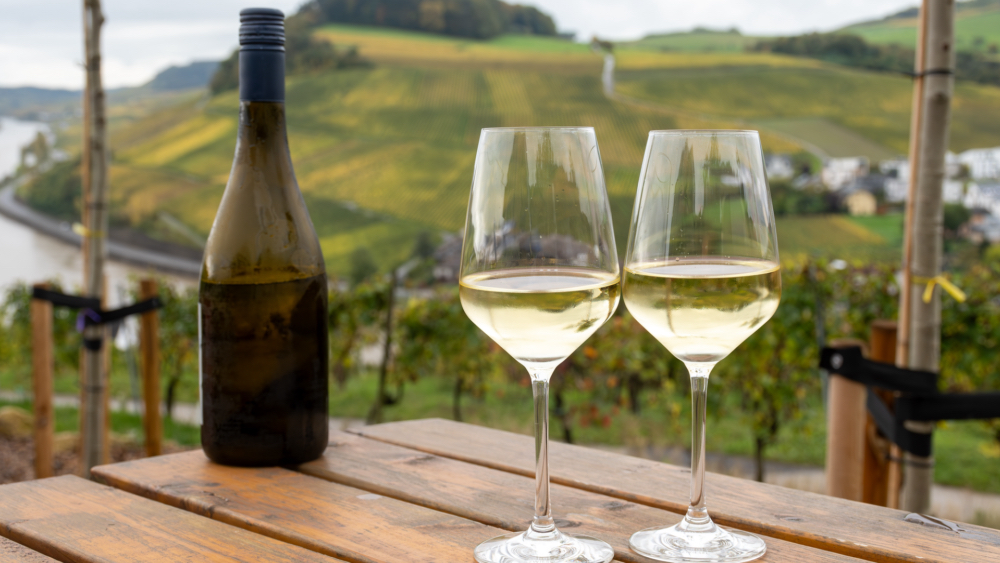
Riesling is Moselle’s defining wine. Trier provides access. In the old town, wine bars offer structured tastings – flights that contrast styles and vineyard slopes. Staff explain. They rarely give a hard sell.
For contrast, visit a winery outside the city. Many are a short train ride away. Tastings there become intimate, unhurried. Never guess at a label. Ask instead. Most handle limited German with ease.
Prioritize comparison over volume. It keeps the palate, and the experience, clear.
Seasonal Markets: Christmas, Wine Festivals, and More
Seasonal events define Trier’s rhythm. From late spring until autumn, wine festivals take over village squares nearby. They spotlight local vintners, uncomplicated food, and live bands. Come winter, the Christmas market clusters around the cathedral. Stalls dish up grilled sausages, mulled wine, and handmade ornaments. It pulls in visitors yet holds onto its community vibe.
Dates shift each year – verify before you go.
Outside these peaks, weekly markets continue. They offer a slice of everyday commerce. If your schedule aligns, such events layer depth into a visit. They require no special planning, just showing up.
❓FAQ❓
How many days do you need in Trier?
Two full days let you hit the highlights without rushing. Stretch it to three, and you can explore nearby wine villages or smaller towns.
Is Trier a good destination without a car?
Yes. Skip the rental. The central district is walkable and dense. Trains connect to surrounding areas; buses fill in the gaps.
What’s the best time of year to visit Trier?
Aim for late spring through early autumn – reliable weather for being outside. December is an exception, thanks to the Christmas market crowds.
Is Trier expensive compared to other German cities?
Trier offers a budget breather. You’ll spend less on meals, entry fees, and transit compared to hubs like Munich or Frankfurt.
Do people in Trier speak English?
In tourist areas, many staff handle English well. But daily life runs on German – expect menus and signage primarily in German. You can get by fine.
About the Author