Table of Contents
- 🎯Too Long; Didn’t Read
- Old Town: what people come to Tallinn for
- Town Hall Square and the medieval core
- Viewpoints: Toompea, observation decks, and towers
- Museums and Old Town legends: what to pick
- Modern Tallinn: neighborhoods where things are happening
- Kalamaja and Telliskivi: street art, cafés, design
- Rotermann and downtown: architecture, shops, photo spots
- Waterfront and port: walks, sunsets, sea vibe
- Nature and downtime: a reset without long trips
- Kadriorg Park and palace: a calm walk in the green
- Pirita and beaches: where to go for sea air
- Eco trails and forest routes inside the city
- Food and drinks: how to taste Tallinn
- Estonian food: what to order and where to look for the classics
- Coffee shops, bakeries, desserts: easy pause spots
- Restaurants with views and bars with a vibe: evening plans
- Tourist basics: how to do it all without overspending
- How to get around?
- Budget, cards, tickets: where you can save
- Ready-made plans for 1-3 days: first visit and repeat trips
- ❓FAQ❓
- When should you go to Tallinn?
- How many days to spend?
- Is the Old Town packed?
Things to do in Tallinn: Views, Food & Sea Walks

🎯Too Long; Didn’t Read
- Begin at Tallinn’s Town Hall Square, the medieval heart. Streets spill out from it – just follow the flow.
- Walk Pikk Street, pass through Viru Gate. Navigate arches, hidden courtyards, cobblestones. Short climbs set a slow, steady rhythm.
- Head up to Toompea. Kohtuotsa delivers the postcard skyline; Patkuli frames walls and towers.
- Want the highest point? St. Olaf’s Church tower requires 232 steps. Clear days reward with views stretching across city and sea.
- Choose museums by interest: fortifications at Kikk in de Kök and its bastion passages, trade history, or small galleries. St. Catherine’s Passage hides craft spots.
- Shift to modern Tallinn in Kalamaja and Telliskivi. Expect street art, caffeine stops, design shops. The vibe is creative-industrial.
- Balti Jaama Turg is the spot for street food, local snacks, antiques. An effortless break, no plan needed.
- Rotermann Quarter mixes sharp modern architecture with passages and courtyards. An easy stroll connects to downtown.
- Walk the waterfront near the port. Watch ferries coming in, open sea air. Sunset light hits differently here.
- Seaplane Harbour stands out. See the Lembit submarine, the Suur Tõll icebreaker – maritime exhibits done right.
- Reset in Kadriorg Park. Calm paths, ponds, the palace. Kumu museum sits nearby if you want art.
- Pirita offers a long seaside promenade for walking or biking. Wide beach, marina, the ruins of St. Bridget’s Convent.
- Stay within the city but find nature. Trails through Pääsküla bog or forest walks in Nõmme – Glehn Park – switch the scenery.
- Taste the place through simple classics. Kiluvõileib (that sprat sandwich), verivorst, kohuke curd snack, kama desserts, mulgipuder.
Old Town: what people come to Tallinn for
Town Hall Square and the medieval core
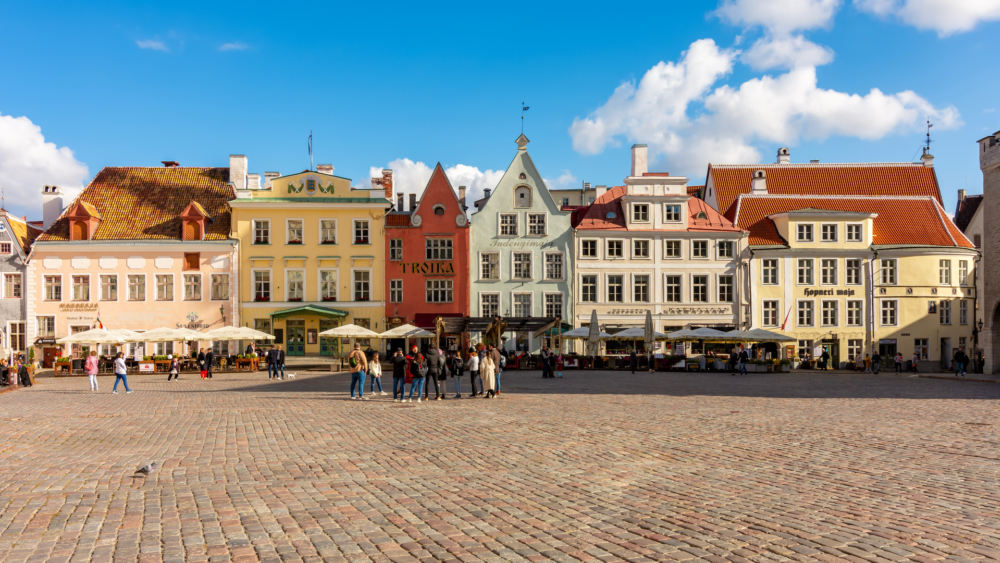
The Old Town is easiest to start at Town Hall Square (Raekoja plats). This is the center of the Lower Town, where trading was happening back in the Middle Ages. On one side you’ve got the Gothic town hall, and around the square there are historic buildings and signs worth looking at without rushing. In summer, the square runs on outdoor terraces, concerts, and city events. In winter, it turns into the Christmas market spot.
After that, the route kind of builds itself: Pikk Street with its merchant-style facades, the Viru Gate, then arches and courtyards where it’s noticeably quieter. Cobblestones, steps, short stretches. The city keeps the pace under control.
Viewpoints: Toompea, observation decks, and towers
Toompea is the Upper Town and the place where Tallinn’s layout makes the most sense. The climb doesn’t take long, and once you’re up there you get the spires, red roofs, and the sea line right away. The best-known viewpoints are Kohtuotsa and Patkuli. Both are on Toompea Hill and free to access. Kohtuotsa works for the classic postcard angle. Patkuli gives a wider look at the walls and towers.
If you want height in a literal way, go for the tower of St. Olaf’s Church: the viewing platform sits at around 60 meters, and you’ll climb 232 steps to get there. On a clear day you can see far; with clouds, the city looks more strict.
Museums and Old Town legends: what to pick
There are a lot of museums in the Old Town, so it’s easier to choose based on what you’re into. For fortifications, go with the Kiek in de Kök complex and the underground bastion passages. They explain how the defenses were built and why the tunnels mattered. If you’re curious about trade history, check exhibits tied to guilds and merchant life.
For something calmer, there’s St. Catherine’s Passage (Katariina käik), a narrow walkway with craft studios and display windows. Between bigger stops, the “small places” work well too: photography museums, applied arts, small galleries. A good rhythm is simple: an hour in a museum, a short walk, then another warm indoor stop.
Modern Tallinn: neighborhoods where things are happening
Kalamaja and Telliskivi: street art, cafés, design
Kalamaja runs on wooden houses and sea air. Telliskivi, its creative engine, churns in a converted industrial complex. Galleries, small shops, a theater, cafés – all packed into old factory buildings. The streets are a constant exhibit: massive murals, graffiti, tiny details hidden on a gate or staircase. Inside means exhibits and weekend markets; outside means courtyards cluttered with tables.
A short walk lands you at Balti Jaama Turg. This multi-story market next to the station stuffs itself with food, design goods, antiques. Upstairs, a street food section feeds the crowds. It’s the kind of spot where you just stop, no plan needed.
Rotermann and downtown: architecture, shops, photo spots
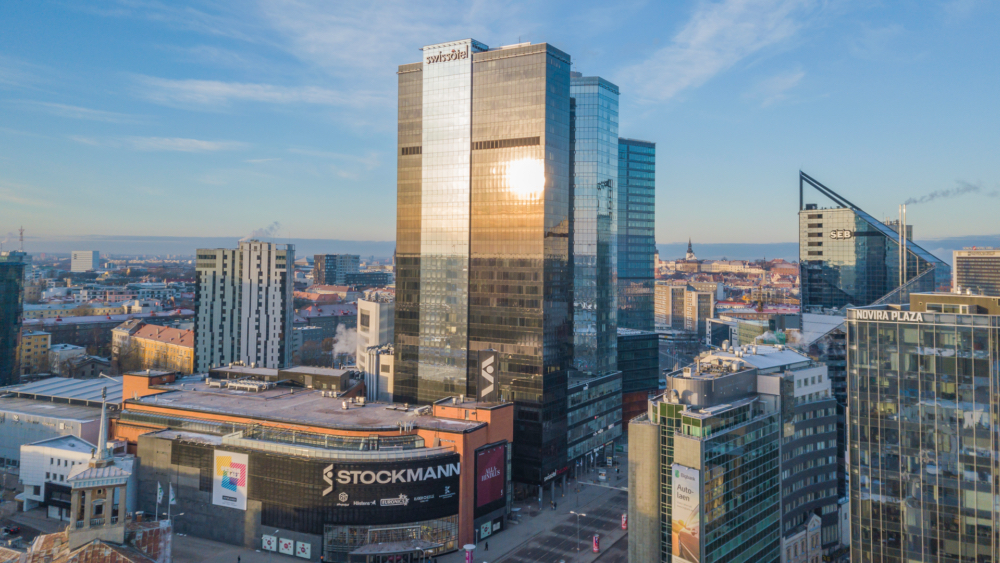
The Rotermann Quarter wedges itself between the Old Town and the port. It’s a tight space, dense: old factory bones renovated beside sharp, modern glass. Ditch the itinerary. Just wander the gaps, cut through passages, discover courtyards. Life here is practical – cafés, shops, a cinema, everyday errands – keeping the place buzzing from morning on.
At night, lights click on, etching the raw texture of brick, concrete, and steel. Coming from the Old Town’s cobbles, the shift is immediate. Everything opens up, levels out, quiets down. The city center is a straight walk from here, no hassle, no need to figure out transport.
Waterfront and port: walks, sunsets, sea vibe
Tallinn’s waterfront adds a real coastal feel, and it’s strongest near the port. A simple route is from downtown toward the water, then along the shore toward Kalamaja. You’ll pass piers, ferry views, and open stretches. This area also has the Seaplane Harbour Maritime Museum (Lennusadam). The exhibits include the Lembit submarine and the Suur Tõll icebreaker, and the former seaplane hangar building stands out for its scale.
After the museum, it’s nice to keep walking around instead of heading straight back to the center. In the evening, the light by the water often works well, especially closer to sunset. The city gets quieter. And it hits right.
Nature and downtime: a reset without long trips
Kadriorg Park and palace: a calm walk in the green
Kadriorg is an easy option when you want a break from dense city streets. The park is large, with paths, ponds, and sections where it’s nice to walk in silence. You can spend an hour here, or half a day if you add museums. The Kadriorg Palace is inside the park, a baroque complex that houses an art museum.
Nearby is Kumu, Estonia’s main art museum, known for both its collection and the building design. There are plenty of paths and benches between these spots, so the route stays flexible. It’s easy to get here from the center by tram or bus.
Pirita and beaches: where to go for sea air
Pirita is for waterfront walks and long, straight routes. One of the simplest options is the Pirita promenade. It starts downtown at Reidi tee, passes Kadriorg and the Song Festival Grounds, and leads to the pier, marina, and Pirita Beach. It works for walking, biking, and rollerblading, with sports areas and kids’ zones along the way.
In summer the beach gets busy, but the shoreline is wide, so you can usually find space without drama. Nearby are the ruins of St. Bridget’s Convent, an extra stop that fits easily into the same outing. Evenings in Pirita are calmer, and the walk feels smooth.
Eco trails and forest routes inside the city
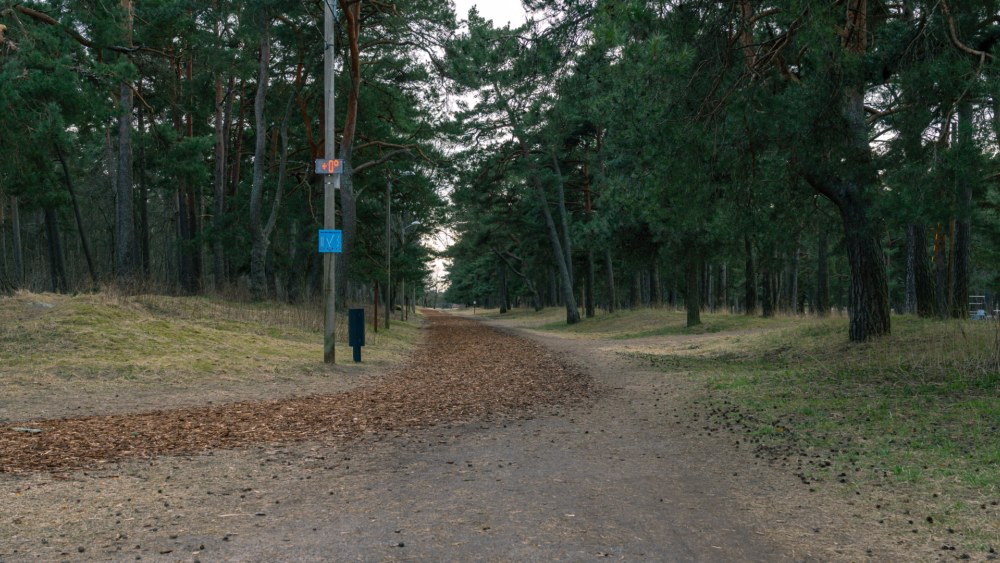
You don’t have to leave town to change the setting. Tallinn has forest routes and nature trails within city limits. A solid pick is the Pääsküla bog nature trail. The main loop is about 4 km and runs on dirt paths and boardwalks through forest, past channels and springs. There’s also a 10-meter observation tower.
A shorter accessible section is around 2 km. For a different vibe, try Glehn Park in Nõmme: a forest walk, Glehn Castle, a small palm house, and a compact observatory. These places stay quiet and low-key, but you’re still in the city.
Food and drinks: how to taste Tallinn
Estonian food: what to order and where to look for the classics
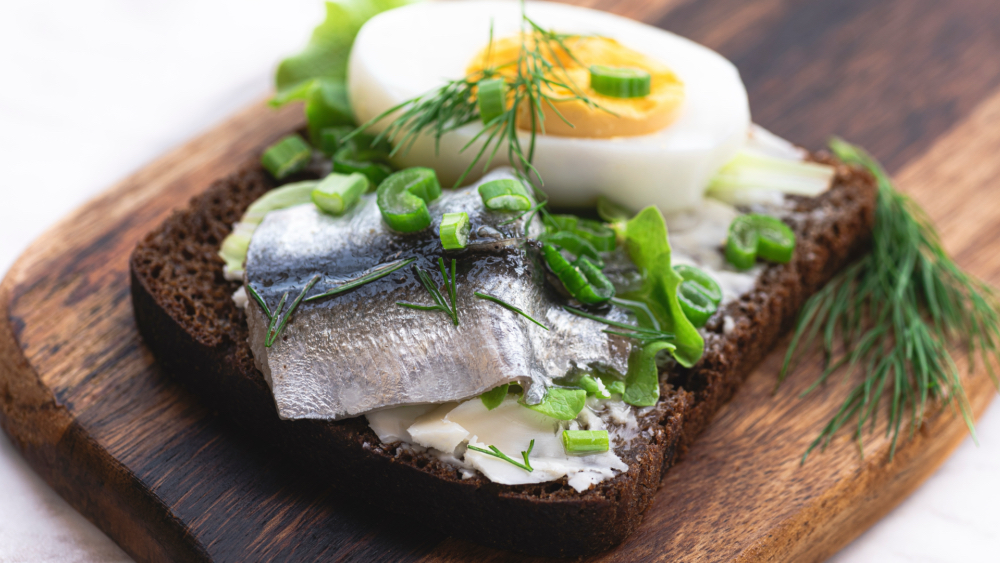
Estonian cuisine reveals itself gradually. Skip the heavy experiments. Start instead with kiluvõileib, that sprat sandwich on rye, or perhaps a slice of verivorst. Seek out the glazed curd snack called kohuke, or the grainy kama blended into something sweet.
For substance, find mulgipuder—potatoes mashed with barley, a humble dish from Mulgimaa now recognized by UNESCO as cultural heritage. These flavors appear in Old Town taverns and modern bistros reworking traditional fare. The go-to move? Pick one single dish. Don’t try to cover everything.
Coffee shops, bakeries, desserts: easy pause spots
Tallinn is easy to break up with coffee stops. Distances are short, and the weather can switch fast. The Old Town has plenty of small places for coffee and pastries where you can wait out rain and catch your breath. In Kalamaja and Telliskivi you’ll see more specialty coffee and simpler service: no ceremony, just good beans.
For dessert, look for local dairy things like kohuke and sweets made with kama. You’ll often find them in a modern take on the classic versions. For a casual bite, Balti Jaama Turg is a safe bet: food for right now, groceries for later, and a space that doesn’t feel stiff. It fits into the day without effort.
Restaurants with views and bars with a vibe: evening plans
Evenings in Tallinn are easiest when they revolve around food and a walk, not racing between spots. For water views, head to the shoreline areas or the Noblessner district. You’ll find restaurants, bars, and taprooms there, plus a waterfront path for a short loop before dinner. In the Old Town, it’s usually better to pick streets a bit away from the busiest squares. Fewer lines, fewer loud groups.
For drinks, craft bars and brewery spaces work well. There’s plenty of local beer, and the menus usually stick to simple snacks. Nights out in Tallinn rarely need complicated prep. You just need a clear place to go and time without rushing.
Tourist basics: how to do it all without overspending
How to get around?
Tallinn is compact, so a lot of routes make sense on foot. Still, public transit helps you pace the day and avoid blowing your plans from fatigue. Visitors can use 1-hour tickets and 15 day passes: a 1-hour ticket is €2, a 24-hour ticket is €5.50, 72 hours is €9, and 120 hours is €11. Tickets come as QR tickets or through the Ühiskaart transit card. The card costs €3, and you can top it up after.
Make sure you validate your ride right after getting on. A practical setup is simple: walk the Old Town in the morning, take transit to Kadriorg or Pirita mid-day, then come back toward the center by tram or bus in the evening. It saves energy.
Budget, cards, tickets: where you can save
Saving money in Tallinn comes down to small choices. Free parts of the plan include the Toompea viewpoints, park walks, waterfront routes, and neighborhoods like Kalamaja, where the streets are more interesting than paid entrances. For museums and transit, Tallinn Card can help. It includes free entry to 50+ museums and attractions and free public transport for the duration of the card.
If you’re doing several museums in one day, it often makes more sense than buying separate tickets. For cheaper meals, markets are clutch. Balti Jaama Turg lets you build lunch from different spots without paying extra for the “view.” Another useful habit: buy water and coffee where you actually like it, not just wherever is closest.
Ready-made plans for 1-3 days: first visit and repeat trips
- 1-day plan: morning at Town Hall Square, the Lower Town streets, walls and gates; afternoon up to Toompea, Kohtuotsa and Patkuli; late afternoon walk through Rotermann to the water and a short loop by the port.
- 2-day plan adds Kadriorg, the palace and Kumu, then Telliskivi and Balti Jaama Turg in the evening for street food dinner.
- 3-day plan leans into the sea side: the Pirita promenade, marina, beach, convent ruins, then the Seaplane Harbour museum.
For a repeat visit, go for the corners of the city: Noblessner, Nõmme, Pääsküla trails. Less postcard stuff, more real Tallinn.
❓FAQ❓
When should you go to Tallinn?
For long days and that buzzy, open-air vibe, aim for late spring through early summer. If you’re after the Christmas market and a fairy-tale Old Town, target December.
How many days to spend?
First visit? Two days works. With three, you can slow down—add a walk by the sea, wander through parks, and actually absorb the place without rushing.
Is the Old Town packed?
Sure, it gets busy. But step away from the main drag. Within minutes you’ll find quiet courtyards, narrow side lanes, and still corners tucked near the medieval walls.
About the Author