Table of Contents
- 🎯Too Long; Didn’t Read
- Beach & Ocean Adventures
- Snorkeling and Coral Reefs
- Best Beaches for Relaxing
- Sunset Cruises and Sailing Trips
- Nature & Outdoor Activities
- Hiking in Virgin Islands National Park
- Kayaking in Mangrove Lagoons
- Scenic Viewpoints and Lookouts
- Island-Hopping & Boat Trips
- Day Trip to St. John
- Explore Water Island
- Visit Nearby Cays and Hidden Beaches
- Culture, History & Local Life
- Historic Sites and Forts
- Local Food and Rum Tastings
- Markets, Festivals, and Live Music
- Family-Friendly & Unique Experiences
- Wildlife Encounters and Eco-Tours
- Water Sports for Beginners
- Best Photo Spots and Must-See Views
- ❓FAQ❓
- What’s the best time of year to go?
- Which island should I stay on: St. Thomas, St. John, or St. Croix?
- How do you get around the islands?
Things to do in the US Virgin Islands: Beaches & Beyond

🎯Too Long; Didn’t Read
- For standout snorkeling, skip the crowded postcard spots. Target Trunk Bay’s underwater trail on St. John, the vibrant reefs off Coki Beach on St. Thomas, or the protected Buck Island waters near St. Croix.
- Beach days demand zero effort. Park yourself at Magens Bay, split time between Trunk and Cinnamon Bays, or escape to Water Island’s Honeymoon Beach. For a different perspective, book a sunset sail. It’s a chill way to see the coastline without lifting a finger.
- On land, Virgin Islands National Park offers more than a stroll. Its trails pass stone ruins and end with sweeping views. Start at dawn. Wear proper shoes. Pack serious water. For quicker vistas, drive up to Drake’s Seat—no hike required.
- Seek quieter adventure in the mangrove lagoons, like Salt River Bay on St. Croix, by kayak. Or island-hop via ferry; St. Thomas to St. John is straightforward for a day of beaches and trails.
- Mix in context with the scenery. Visit Fort Christian’s stark walls or the Annaberg Sugar Plantation ruins. Fuel up with local johnnycakes and pâtés. Sample rum at a Cruzan distillery tour.
- Connect with local energy at seasonal markets and festivals featuring live music. Families can hit Coral World Ocean Park or join an eco-tour.
- Keep activities accessible. Try beginner-friendly paddleboarding, guided snorkeling, or simple water rentals. For the best photos, prioritize early mornings and loose plans. Crowds thin, light improves, and the vibe stays relaxed.
Beach & Ocean Adventures
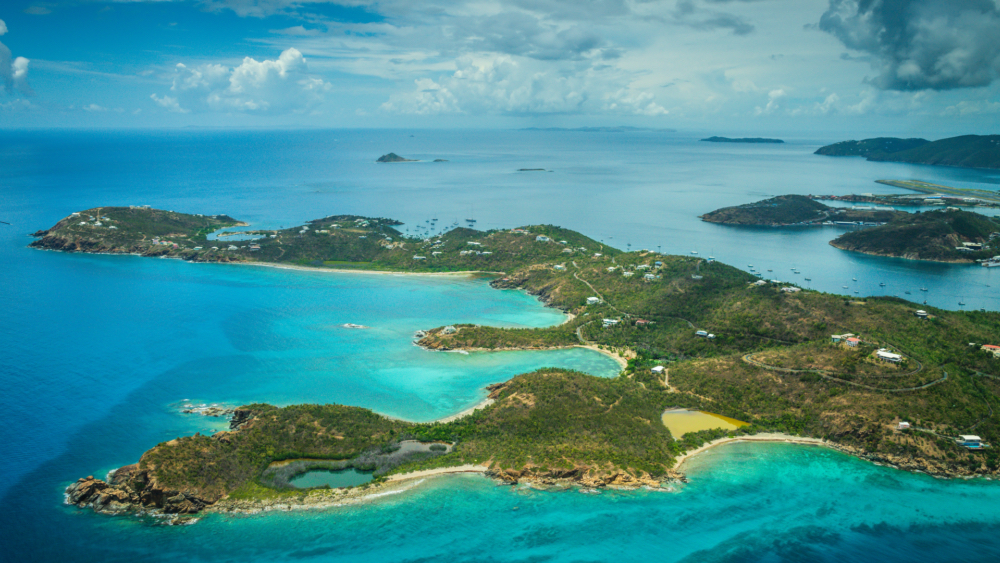
Snorkeling and Coral Reefs
For snorkeling in the U.S. Virgin Islands, start early. Mornings often bring calm water and better clarity, with fewer boats around. Reefs are simply less crowded then.
On St. John, Trunk Bay works well for beginners. Its marked underwater trail removes navigation guesswork. This is a spot where minimal effort—mask, fins, a relaxed float—still rewards you with fish and coral.
Also on St. John, Waterlemon Cay lets you enter from shore and circle the cay. Check the current first; conditions shift. Deciding against a full loop is sometimes the smart move.
St. Croix has the notable Buck Island Reef National Monument. Most access it by tour boat. The draw is reliable: sheltered water, consistent coral, and frequent sea turtle sightings.
For convenience on St. Thomas, Coki Beach is a frequent mention. Rentals are handy there, suited for a spontaneous trip rather than a meticulously planned outing.
A direct note on reef etiquette: avoid contact with coral completely. Keep fins clear. Standing on it or even brushing against it causes harm. Reef-safe sunscreen is the responsible choice—basic but critical advice.
Best Beaches for Relaxing
Some beaches in the USVI are made for moving all day. Others are built for doing absolutely nothing. The trick is picking what matches your vibe.
St. Thomas has Magens Bay, a classic, easy-to-love beach with calm water that’s usually good for simple swimming. If you want a beach day that doesn’t require a strategy meeting, this is the type.
St. John is where you go when you want beaches that feel more natural and less “everything is five steps away.” Trunk Bay is the headliner, but Cinnamon Bay is another big favorite for spreading out, walking the sand, and staying for hours without getting bored. If you’re the kind of person who needs variety, you can pair a beach morning with a short hike and come back for a late swim.
Water Island is small, low-key, and close to St. Thomas. Honeymoon Beach is the name people drop most, and the energy is pretty chill: sand, shallow water, a simple day.
Beach day tip that’ll save your mood: bring water you actually plan to drink, not “one bottle for two people.” The sun in the Virgin Islands doesn’t negotiate.
Sunset Cruises and Sailing Trips
Sunset cruises in the USVI break the romantic stereotype. They also solve a practical problem: viewing the islands while avoiding roads, trails, and sweat.
Most trips depart from St. Thomas, near Charlotte Amalie. These are two-hour sails offering harbor perspectives and a decelerated rhythm—an ideal counterpoint to a busy day. Options range from basic drinks and snacks to full dinner service. Your choice depends entirely on budget and mood.
For sailing with space, seek smaller catamarans. For a lively boat with music and wind, simply pick your time.
A final note: respect motion sickness. Sunset on the water is a poor moment to test your stomach’s tolerance.
Nature & Outdoor Activities
Hiking in Virgin Islands National Park
Virgin Islands National Park covers most of St. John. The hiking here surprises people—it’s steep, seriously hot, and far from a casual walk. This isn’t a latte-sipping kind of place.
Reef Bay Trail is the famous one. Forget a quick stroll; most find it strenuous. The path cuts through dense forest, passing old ruins and petroglyphs along the way.
For something shorter, trails around Cruz Bay lead directly to beaches like Honeymoon and Salomon. The reward system is clear: work up a sweat, then shut everything down with a swim. Move, then float.
Preparation isn’t a suggestion. Start early. Wear proper shoes—slick sandals are a bad idea. Carry more water than seems reasonable. The heat dictates everything; even easier trails turn demanding under the midday sun.
Kayaking in Mangrove Lagoons
For a different pace—less about heart rate, more about stillness—kayaking delivers. Mangrove lagoons operate on their own rhythm. Shallow water. The shift of wildlife in the roots. It’s a slower world where details rise to the surface. St. Croix offers Salt River Bay, famous for guided tours and after-dark bioluminescence trips. Those glowing waters depend on luck—tides, moons, seasons. The area sits within the Salt River Bay National Historical Park, with tours handling navigation.
Night paddling won’t suit all. Open water in darkness unsettles some; daytime exists for a reason. Even so, the mangroves alone justify the trip. Sheltered, silent, a stark contrast to noisy beach scenes.
This activity works for mixed groups, too. It bridges the gap. Some crave intensity; others want no drama. Kayaking fits the bill—engagement without exhaustion.
Scenic Viewpoints and Lookouts
Forget the all-day itinerary. Sometimes you just need a view that upgrades your camera roll—proof you did something noteworthy.
On St. Thomas, Drake’s Seat delivers. This famous north-side lookout frames Magens Bay and, on clear days, distant islands. It’s a convenient pit stop if you’re already touring the area.
The best viewpoints aren’t rushed. Pull over. Look. Snap the photo, then actually put the phone away for a minute. Corny? Maybe. True? Absolutely.
Cruising St. Thomas or St. John reveals smaller, unmarked roadside pull-offs. They lack fancy signage, but these spontaneous stops let you grab some scenery fast. No hassle, solid payoff.
Island-Hopping & Boat Trips
Day Trip to St. John
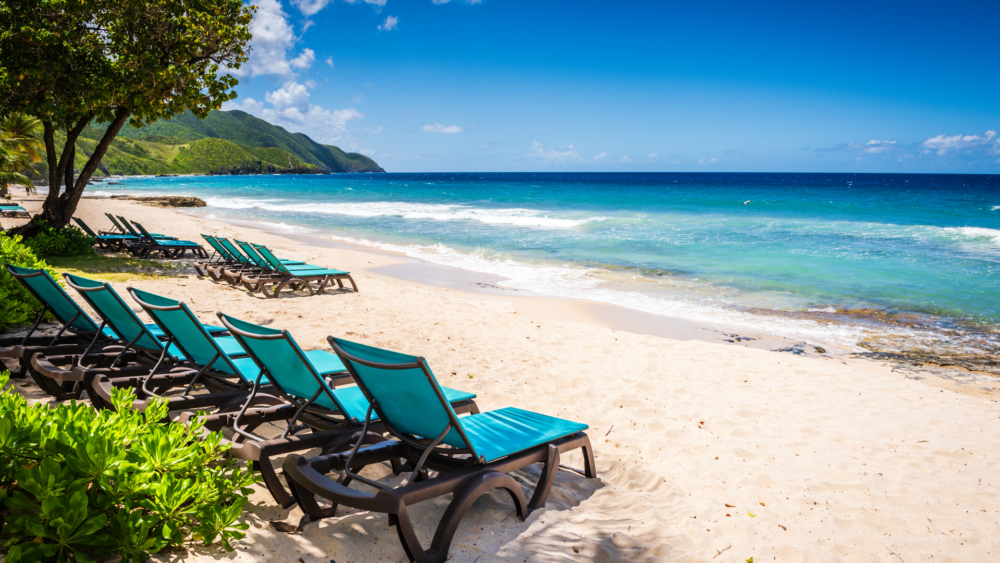
Considering a stay on St. Thomas? A day trip to St. John upgrades the entire vacation, easily. The ferry crossing is brief. Arrive in Cruz Bay and set your own pace: beach-hop the north shore—Trunk Bay, Cinnamon Bay, others nearby. Hike a trail that finishes at a swimmable beach. Or take a taxi to a viewpoint, then find food.
For snorkeling, bring your own mask and snorkel if you own them. Rentals are available, but personal gear means one less hassle.
The common error? Over-scheduling. St. John isn’t a checklist. Choose two or three priorities. Treat everything else as a bonus—that’s how to get your money’s worth from the day.
Explore Water Island
Water Island operates on a different frequency. It’s small, residential, and skips the constant performance. Located just off St. Thomas, visitors often slot it in as a brief escape. That’s a mistake. Slow down, and the place fills a full day easily.
Honeymoon Beach draws the crowds. The appeal is straightforward: calm water, easy entry, zero pretense.
Beyond the sand, the island holds remnants of its wartime past. These scattered historical points offer a tangible alternative for anyone needing a break from pure beach time. They’re there if you want them.
The entire vibe hinges on simplicity. There’s no pressure to package the experience or cram it into a busy schedule. The point is the lack of one.
Visit Nearby Cays and Hidden Beaches
The Virgin Islands reveal themselves from the water. Boat trips aren’t just transit; they’re the main event, accessing empty spaces the land can’t show you.
Tours vary by departure point. Typical offerings include:
- Snorkeling in smaller groups
- Drop-offs at hushed beaches
- Routes that hop between islands: some swimming, some lounging, some light trekking
Options range from sandbar visits to reef-focused itineraries. For groups with short attention spans, choose a mixed schedule: a snorkel stop, then a beach, with enough cruising in between to decompress.
Heed the crew. Currents shift. Conditions turn. That picture-perfect spot from your feed doesn’t account for a changing sea.
Culture, History & Local Life
Historic Sites and Forts
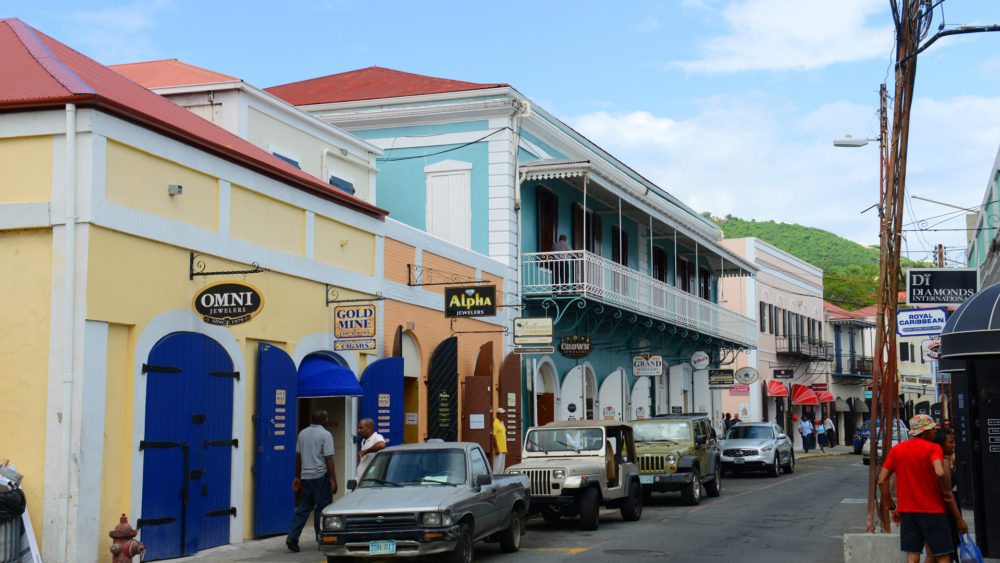
Looking beyond the beaches and the rum cocktails, the U.S. Virgin Islands hold a deeper, denser past. For a shift in pace, the territory’s historic sites deliver a tangible, often sobering change of scene.
In Charlotte Amalie, St. Thomas, Fort Christian anchors the waterfront. Built during Danish colonization, its structure has served as everything from governor’s residence to police station. Now, its rooms frame museum exhibits detailing the island’s complex narrative.
Over on St. John, within the National Park, lie the Annaberg Sugar Plantation ruins. Visitors typically explore on their own. The crumbling mills and factory walls stand as a stark, unvarnished testament to the plantation economy and the enslaved labor that forced it into operation.
These places resist a hurried glance. The value lies in slowing down, absorbing the posted explanations, and acknowledging the ground you’re walking on. This approach moves the experience from simple sightseeing to something more resonant.
Local Food and Rum Tastings
Food in the USVI ranges from no-frills to polished, shaped by location and the day’s craving. For authentic local flavor, skip the generic spots. Seek out these classics instead: fish and fungi, a St. Croix staple; grilled Johnnycakes; handheld pâtés; or heavy plates of stewed meat with rice and local sides.
Regarding rum, St. Croix is the destination for a formal distillery visit—Cruzan operates there, offering tours and tastings. Without a planned tour, rum still defines the drinking scene. Cocktails appear everywhere. A word of caution: tropical heat and strong rum balance poorly. It can sneak up on you.
Markets, Festivals, and Live Music
Want the real islands, not the postcard-perfect version? Ditch the standard itinerary. Make a beeline for a local market instead. Even twenty minutes there can flip your entire understanding of the place.
Take Charlotte Amalie’s Market Square on St. Thomas. Its entire vibe depends on the time and the season. One stall hawks mangoes and christophene. The next offers phone chargers and patterned shirts. Weekends bring more stalls, more buzz. For something even less polished, hit a farmers market. Think fresh-picked sugar apples, warm patés, carved calabash bowls—none of that duty-free shine.
Festivals are the heartbeat of local culture, but their dates float. Always double-check the official listings. St. Croix’s Crucian Christmas Festival, for instance, generally runs from late December straight through into the new year.
Live music? It’s just there. In the corner of a rum shop, from a restaurant courtyard, drifting down a side street. Some gigs get promoted; most simply start. If you catch a rhythm that pulls you, just go. No schedule needed. Follow the sound until you find it.
Family-Friendly & Unique Experiences
Wildlife Encounters and Eco-Tours
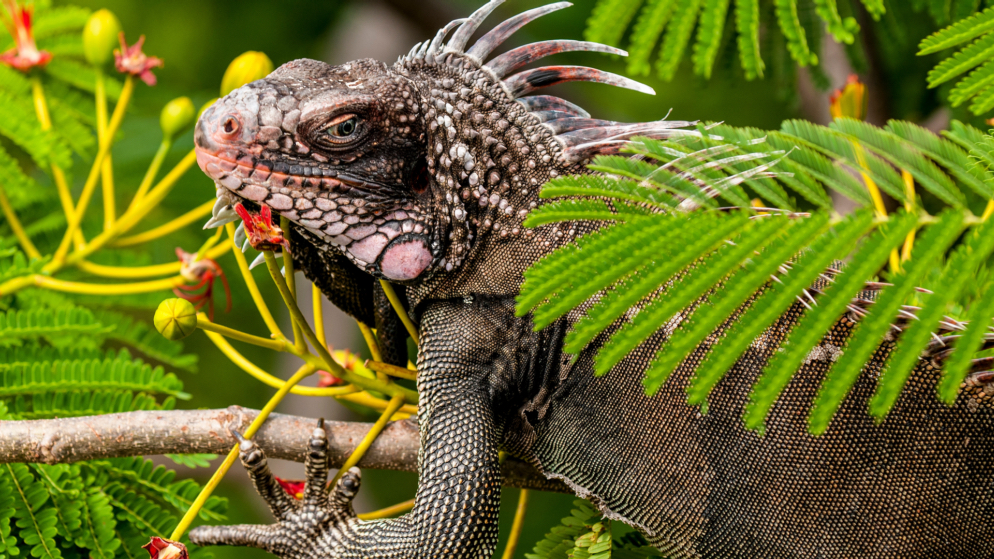
Traveling with kids—or any adult who turns into a kid around marine life—means eco-attractions become the go-to. Consider St. Thomas’s Coral World Ocean Park: aquarium displays and organized marine encounters fit neatly between beach time. It’s a reliable break from the relentless sun.
For more direct contact with the environment, guided kayak or eco-tours at places like St. Croix’s Salt River Bay deliver. No expertise required. These outings offer closer interaction with the island’s actual ecosystems.
Remember basic etiquette: skip feeding wildlife, don’t chase animals for photos, and resist treating nature as a mere backdrop. You’ll still collect memorable experiences, just without pushing limits.
Water Sports for Beginners
Scuba certification isn’t for everyone, and not every day calls for a six-hour expedition. Plenty of people just want fun on the water without the pressure, something truly beginner-friendly.
Around the US Virgin Islands, good places to start often look like this: calm bay paddleboarding, basic snorkeling right from the beach, or intro-level guided activities. With those, someone else handles the gear and the how-to.
Feeling nervous? Booking a guided trip isn’t a lesser adventure. It’s the savvier move. You gain support, a safety watch, and frankly, more fun.
For new snorkelers: start shallow. Get comfortable breathing through that setup before going farther out. This simple step helps ditch the awkward panic moment everyone recognizes.
Best Photo Spots and Must-See Views
For photos that avoid the predictable, balance the famous spots with undisturbed scenes. Everyone captures Trunk Bay and Drake’s Seat. That’s fine. But the quieter moments hold their own weight.
Try Charlotte Amalie’s harbor at dawn, before the engine of the day really starts. Shoot from a ferry when the sea goes still and glassy. Or find a vacant stretch on Water Island—just sand and water, no crowd.
The foundational advice remains, boring as it is: go early. The light is softer. People are scarce. Background madness disappears.
And sometimes? Just stop. Not every minute requires documentation. You’re in the Virgin Islands. That’s the whole point.
❓FAQ❓
What’s the best time of year to go?
Consider late winter through spring. Drier conditions generally prevail. Summers get hot and can be surprisingly uncrowded, but monitor forecasts carefully; the hurricane season runs June to November.
Which island should I stay on: St. Thomas, St. John, or St. Croix?
St. Thomas provides the most action and convenience. St. John is the quiet, nature-centric choice. St. Croix splits the difference, delivering history, authentic local culture, and specific adventures like diving or hiking.
How do you get around the islands?
Transportation varies by location. Taxis are the norm on St. Thomas and St. John. For St. Croix, a rental car is essential if you want to explore properly—it’s the key to real freedom on that island.
About the Author